Chemical peels are designed to improve skin tone, texture, and clarity by gently exfoliating the outer layers of the skin. By encouraging controlled renewal, peels help reveal smoother, more even-looking skin while supporting long-term skin health.
At GloLab, peels are selected with precision based on your skin type, sensitivity, and goals. From lighter resurfacing treatments to deeper corrective peels, each level is chosen intentionally—never aggressively.
Rather than forcing rapid change, the focus is on guiding the skin through a balanced renewal process. This approach helps improve concerns such as discoloration, uneven texture, and early signs of aging while maintaining the integrity of the skin barrier.
What it treats:
• Uneven skin tone and pigmentation
• Sun damage and discoloration
• Fine lines and surface texture
• Acne and post-acne marks
• Dull or rough skin
Target areas:
• Face
• Neck
• Décolletage
• Back (in select cases)
• Improves skin tone and clarity
• Smooths texture and surface irregularities
• Helps reduce pigmentation and sun damage
• Supports natural skin renewal
• Enhances overall skin brightness
• Customizable for different skin concerns
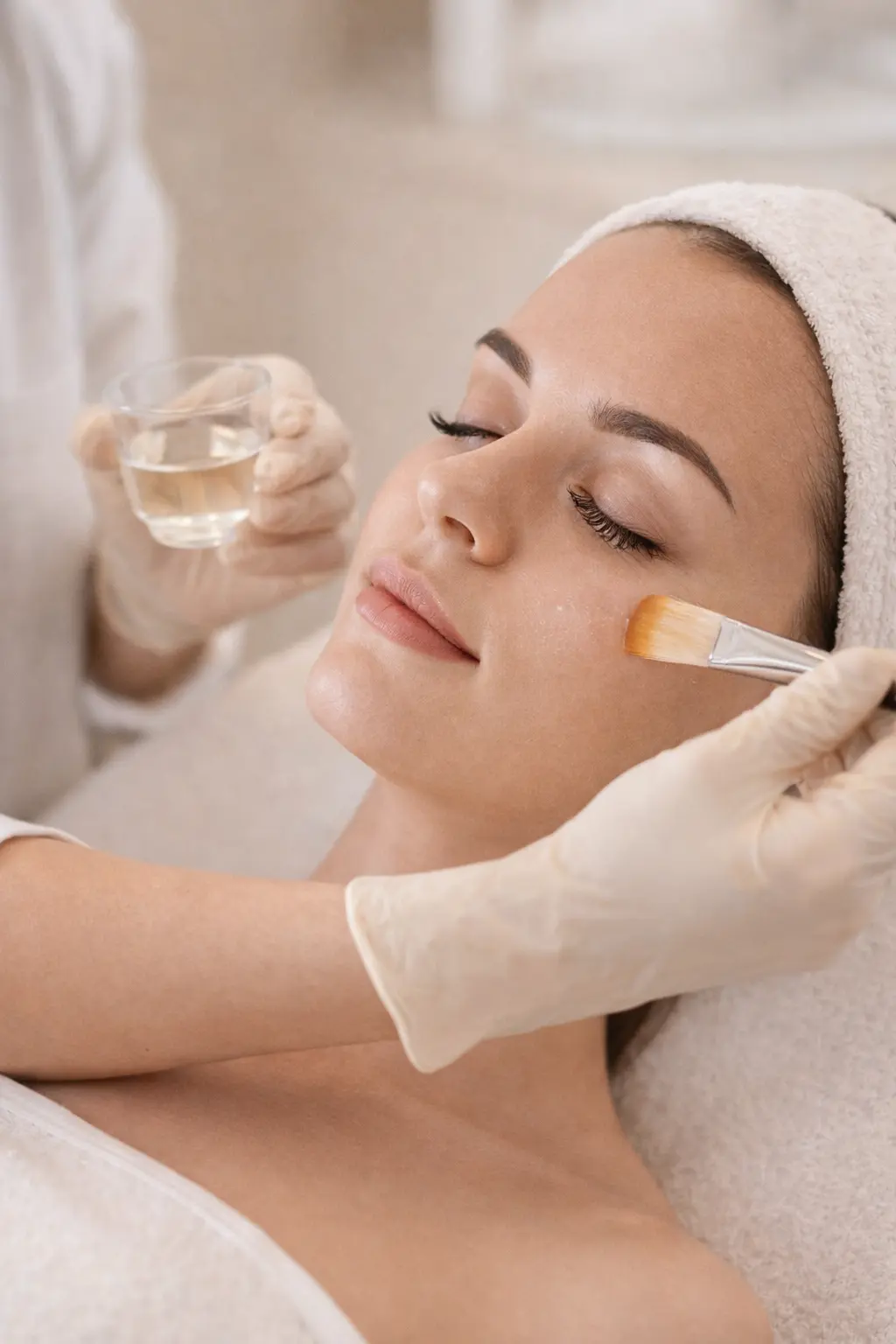
Chemical peels use carefully selected acids to exfoliate the outer layers of the skin, encouraging cell turnover and renewal. As the treated skin sheds, new, healthier skin emerges beneath.
Different peel levels control how deeply the treatment works. Lighter peels focus on surface refinement, while deeper peels address more persistent concerns like pigmentation and texture.
At GloLab, the strength and formulation are chosen based on your skin’s condition and tolerance. This ensures effective results while maintaining balance, avoiding unnecessary irritation or disruption to the skin barrier.
Skin appears clearer, smoother, and more even in tone.
Texture feels softer, discoloration appears reduced, and overall brightness improves without looking over-processed. The skin maintains its natural quality while appearing more refined.
The result is not a dramatic resurfacing—it’s a steady return to balanced, healthier skin.
Depending on the depth of the peel, temporary redness, dryness, and peeling may occur. These effects are expected and part of the renewal process.
Stronger peels may require a few days of visible recovery, while lighter peels have minimal downtime. Consistent treatments are often recommended for deeper concerns such as pigmentation or acne scarring.
Will my skin peel?
Peeling varies depending on the type of peel used.
Is it safe for sensitive skin?
Yes, lighter peels can be customized for sensitive skin.
How often should I get a peel?
Every 4–6 weeks, depending on your treatment plan.
When will I see results?
Initial improvement appears within a few days.
Can peels be combined with other treatments?
Yes, depending on your skin goals and timing.

July 2026 at Bellevue.


